Elevate Your Event: Extraordinary Food and Beverage Services for Every Occasion
Improving an event through catering necessitates close attention of several elements. The selection of catering style can substantially affect the entire experience. Trends such as hands-on dining setups and sustainable ingredients are becoming increasingly popular. Furthermore, accommodating dietary requirements and maintaining financial boundaries are critical. Understanding these elements can turn an standard gathering into a lasting impression. That said, choosing the best-suited approach and service is necessary for reaching the sought-after outcome. What steps should one take next?
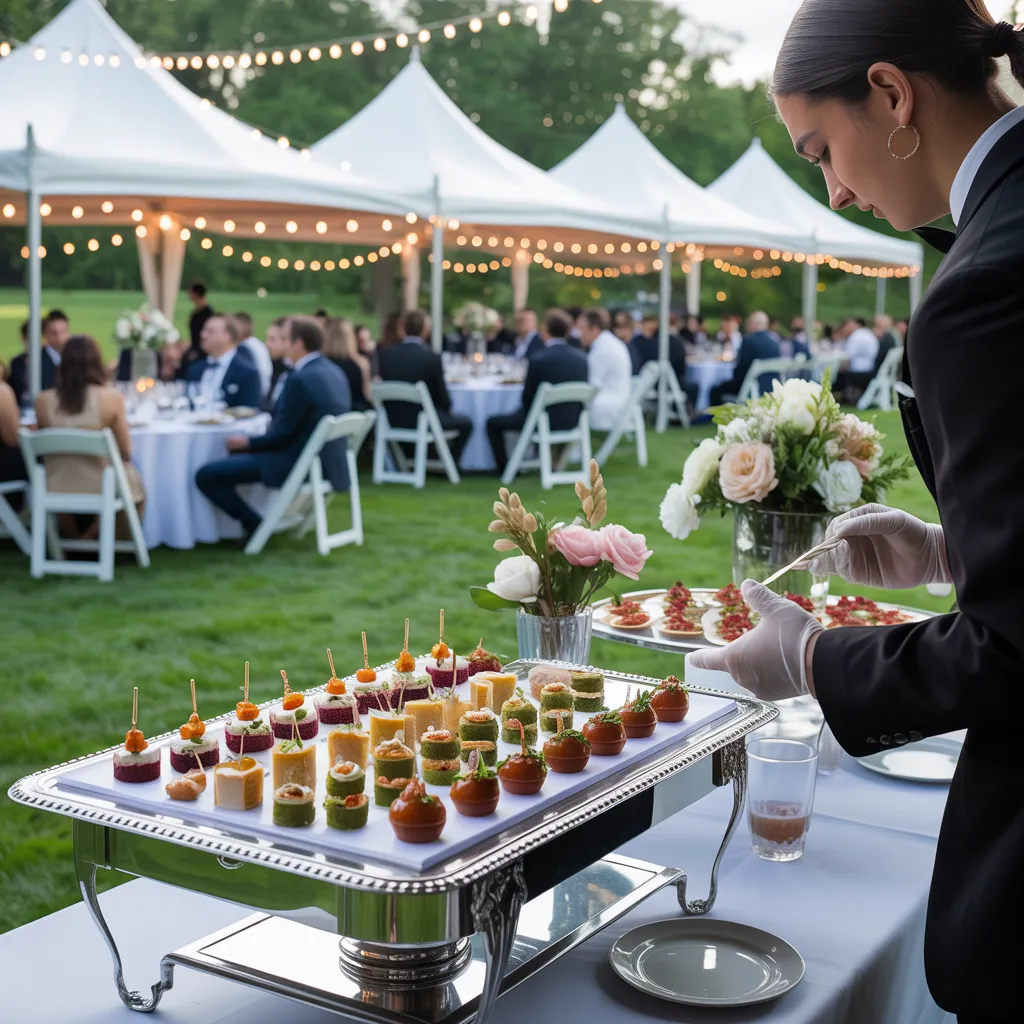
How to Select the Ideal Catering Style for Your Event
When planning an event, how can one identify the ideal catering style? The choice depends on a number of considerations, including the event type, guest count, and venue. Formal gatherings, such as weddings or corporate functions, often benefit from plated service, which provides a refined dining experience. In contrast, informal occasions like birthday parties tend to favor buffet or family-style catering, encouraging mingling and interaction among guests.
A further aspect involves the dietary needs and limitations of guests, which require a diverse menu that caters to different requirements. Furthermore, the budget plays an essential role; certain catering approaches can be more economical than alternatives. Lastly, the intended event environment should match the chosen catering method, whether it be elegant or casual. In the end, understanding these elements helps coordinators identify a catering style that elevates the event while satisfying both visual and practical needs.
Leading Catering Trends That Will Wow Your Guests
Today's events increasingly embrace cutting-edge catering approaches that transform the guest experience. One prominent trend is the reliance on engaging food displays, enabling attendees to tailor their food selections in the moment. This not only adds an engaging element but also fosters meaningful connections among attendees.
Eco-friendly and locally obtained ingredients are becoming increasingly popular, reflecting a growing awareness of environmental impact and health consciousness. This trend not only enhances flavor but also supports local economies.
Additionally, themed culinary experiences bring guests on a cultural voyage through distinctive flavors, generating lasting impressions through exceptional meals. Lastly, the emergence of breathtaking visual displays, such as artistic edible creations and colorful presentations, confirms that every dish delights the senses visually as much as it satisfies the taste buds. Together, these developments shape a truly remarkable catering experience, forging memorable moments for guests while determining the spirit of the event.
How to Make Sure Everyone's Dietary Needs Are Met
Handling dietary considerations at events demands the timely identification of restrictions to secure inclusivity. Offering a diverse menu that accommodates various preferences and requirements is essential for guest satisfaction. Clear labeling of food items further aids in avoiding misunderstandings and promotes a safe dining experience.
Identify Dietary Restrictions Early
How do event organizers ensure that all guests feel welcomed and content? Recognizing dietary needs in advance is essential for accomplishing this objective. Before the event takes place, organizers ought to distribute invitations that feature a request for dietary needs and limitations. This proactive approach allows them to gather essential information and accommodate various needs, such as allergies, intolerances, and lifestyle choices like veganism or gluten-free diets.
Those organizing events can also explore developing a straightforward digital form or questionnaire to make the process more efficient. By gathering and organizing this information, they can guarantee that all attendees are accommodated, promoting an inclusive and welcoming environment. At the end of the day, proactively identifying dietary needs not only improves the overall guest experience but also reflects the organizer's commitment to thoughtful planning.
Feature an Extensive Array of Menu Options
Once dietary restrictions have been collected, event organizers see more can move forward by providing varied menu options that accommodate every guest. A well-curated menu should include vegetarian, vegan, gluten-free, and nut-free choices, making certain that no one feels excluded. By incorporating a variety of cuisines, organizers can appeal to different palates while respecting dietary preferences and restrictions. Seasonal ingredients can enhance flavor and freshness, making dishes more appealing. Furthermore, offering a combination of starters, entrees, and desserts enables guests to savor a complete culinary journey. Engaging with caterers who specialize in diverse offerings can help guarantee that all dietary needs are met, ultimately creating an inclusive atmosphere that elevates the overall event experience.
Mark Food Items Clearly
What measures can event planners implement to make sure attendees feel secure and knowledgeable about their dietary selections? Clearly labeling food is essential for addressing dietary needs. Event planners should use clear signage that identifies ingredients and draws attention to common allergens including nuts, gluten, and dairy. Such openness enables attendees to make educated choices and prevents possible health concerns. Furthermore, color-coded labeling systems can make it easier to distinguish vegan, vegetarian, and gluten-free selections. Including comprehensive descriptions on menus boosts clarity and fosters greater guest involvement. Event planners should also ensure that knowledgeable staff members are on hand to address food-related inquiries. Through the adoption of these approaches, event organizers can foster an inclusive environment where every attendee feels assured about their food choices, enhancing the overall event experience.
Crafting a Customized Menu for Your Theme
Designing a personalized menu for an themed occasion transforms the guest experience, guaranteeing that the dining options complement the occasion's spirit. A well-curated food menu conveys the occasion's atmosphere, whether it be a black-tie gala, a whimsical birthday party, or a leisurely outdoor event. By considering the event theme, organizers can select culinary creations that complement traditions, visual themes, and cultural inspirations.
Incorporating locally seasonal components not only enhances flavor but also aligns with the overall theme of the event. For instance, a tropical event theme may highlight vibrant fruits and invigorating seafood, while a countryside-inspired gathering could feature hearty, locally sourced fare. In addition, addressing dietary needs and limitations guarantees inclusivity, allowing all guests to enjoy the culinary journey.
At its core, a bespoke menu converts ordinary dining into an indispensable part of the occasion's story, making an unforgettable impact that goes well beyond the last dish.
The Importance of Professional Service in Catering
High-quality catering service remarkably improves the overall event atmosphere, guaranteeing that guests feel acknowledged and respected. Dependability and uniformity are essential qualities that set professional caterers apart, offering confidence that all elements will fulfill expectations. This level of service not only reflects the event's quality but also reinforces the host's reputation.
Effect on Event Experience
While the food served at an event may be a primary focus, the quality of catering staff greatly affects the overall experience. Experienced service personnel not only make certain that dishes are presented beautifully but also coordinate the timing and flow of service, which can enhance guest enjoyment. Thoughtful catering professionals create an inviting atmosphere, allowing hosts to connect with their guests without concern. In addition, well-informed team members can provide information about the menu, making certain guests are aware and content with their selections. Ultimately, the smooth coordination of catering services contributes to a memorable event, leaving a enduring impact on attendees. A expertly organized catering experience transforms the occasion, highlighting the value of professional service in event planning.
Consistency and Reliability Assurance
Guaranteeing consistency and reliability in catering services is fundamental to a successful event. When clients engage professional caterers, they expect a seamless experience, from planning to execution. Trustworthy catering companies copyright high standards, making certain that food quality, presentation, and service are kept consistent. This consistency reassures clients that their guests will enjoy a memorable dining experience.
Moreover, expert catering professionals are proficient at navigating logistical complexities, for instance last-minute changes or dietary restrictions, without compromising service quality. Their experience allows them to foresee possible problems, alleviating pressure on event coordinators. Ultimately, the consistency of a catering team directly affects the general achievement of a gathering, building confidence and motivating clients to book again for upcoming events.
Catering Budget Planning: How to Maximize Your Value
Navigating the challenges of catering budgets can significantly influence the overall success of an event. Establishing a clear budget is crucial, as it sets the parameters for all catering-related decisions. Those organizing events should start by identifying the total amount available and breaking it down into specific categories, such as food, beverages, and service fees.
Distinguishing between needs and wants can prove beneficial in maximizing value; for instance, opting for a buffet setup may offer a wider variety at a lower cost than plated meals. Moreover, negotiating with catering services can yield discounts or package deals, improving the event experience while staying within budget.
Incorporating locally sourced seasonal produce can help lower costs as well while delivering consistently fresh and delicious meals. By systematically assessing choices and acting on well-informed decisions, event planners can establish a truly remarkable catering experience that fits within their budget while maintaining high standards.
Assessing and Selecting the Best Catering Service
How can event planners effectively evaluate and choose the right catering service? The first step involves determining specific event needs, such as the preferred cuisine style, number of guests, and any dietary restrictions. Next, planners should research potential caterers by reviewing online ratings, testimonials, and portfolios of past events. Arranging tastings is a critical step in evaluating food quality and visual presentation.
Budget considerations play an important role; planners should secure comprehensive quotes covering all expenses, including service costs and possible overtime fees. Engaging in direct communication with caterers helps to gauge their responsiveness and willingness to accommodate unique requests. Moreover, confirming valid licenses and adequate insurance coverage secures trustworthiness and professional credibility.
Finally, event planners should obtain recommendations from peers or industry contacts to narrow down options. By combining these strategies, planners can effectively choose a catering service that matches their expectations and elevates the overall event.
Frequently Asked Questions
How Far in Advance Should I Book Catering Services?
Experts recommend booking catering arrangements at least three to six months in advance for sought-after dates and event spaces. This guarantees availability, enables menu tailoring, and provides ample time for all necessary changes and preparation.
Do Catering Services Offer Rentals for Tables and Chairs?
Numerous catering companies feature rental arrangements for seating and tables, presenting a thorough solution for events. Guests would be wise to ask about these extra offerings when booking to ensure every requirement is fulfilled for their occasion.
What Is Done with Leftover Food Once the Event Ends?
Following the event, leftover food is typically assessed for safety and quality. A large number of catering providers give leftover food to local charities or shelters, while others may wrap it up for clients or handle disposal in a responsible manner.
Are Gratuities Included in the Catering Cost?
Service tips are commonly excluded from the catering cost. It is recommended that clients consult with the catering service about their gratuity practices, as they may recommend a percentage based on the total bill or service quality.
Am I Able to Try the Menu Before Completing My Order?
Yes, a tasting session is typically offered before finalizing the order. This occasion gives clients the ability to taste the menu choices, confirming that the selected items suit their preferences and overall event vision.
Comments on “Certified Catering Services in Guelph”